Beginner’s Guide to Chemical Peels: What You Should Know

There are seasons when skin feels lifeless—when makeup doesn’t sit right, pores seem more noticeable, and fine lines appear sharper than before. What many people don’t realize is that this dullness often comes from a buildup of old, dead cells at the surface. Left unchecked, these layers mute natural radiance and accelerate visible aging.
This is where chemical exfoliation becomes transformative. A chemical peel works by safely removing the tired outer layer of skin to reveal smoother, healthier cells beneath. From softening wrinkles to brightening tone, peels unlock a renewed glow that at-home scrubs simply can’t reach.
If you’ve been wondering whether this treatment is right for you, stay with us—continue reading to find out everything you need to know, from types to benefits to what the skin peeling process actually feels like.
What Are Chemical Peels?
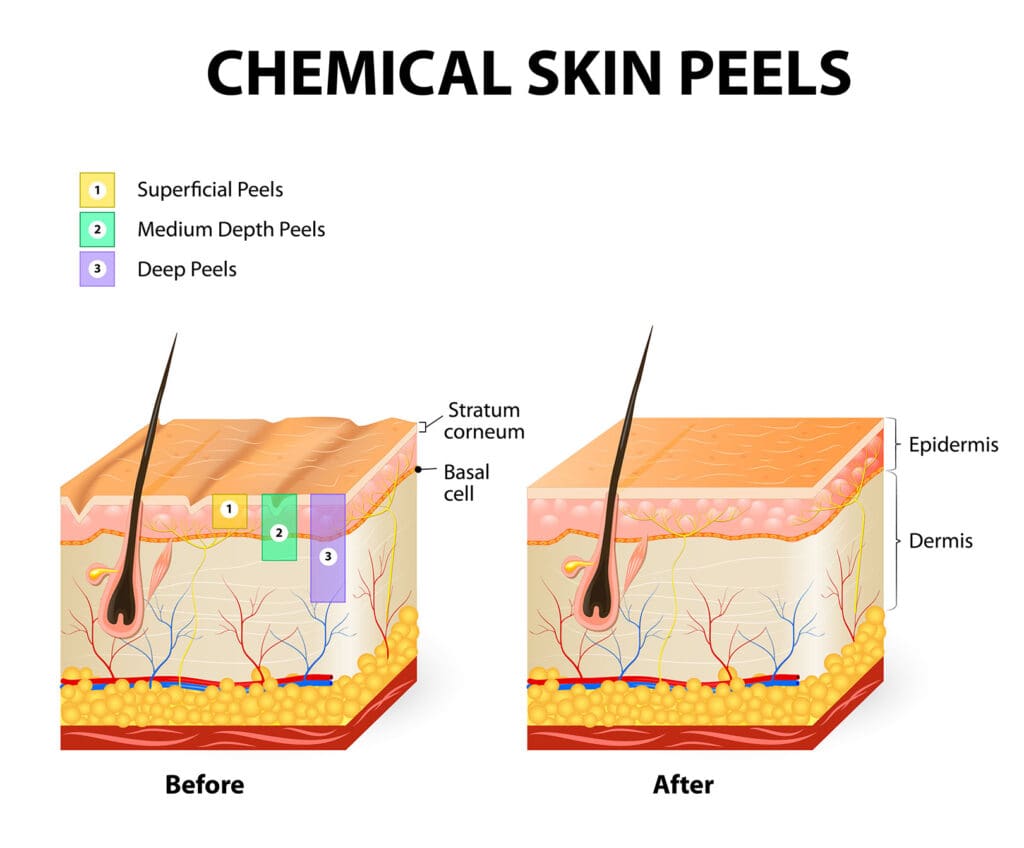
A chemical peel is a skin-resurfacing treatment that applies a specialized solution to exfoliate the outermost layers of skin. As the treated skin sheds, new cells emerge, leading to a smoother texture, refined pores, and improved tone.
Peels range in strength and purpose:
- Superficial peels use milder acids for light exfoliation and quick refresh.
- Medium depth peels penetrate further, targeting sun damage, fine lines, and pigmentation.
- Deep chemical peels reach into the mid to lower dermis, addressing more significant wrinkles and scars with dramatic results.
At Vigour Aesthetics + Wellness, treatments often feature professional formulas like Glytone® and Circadia®, designed to provide not only exfoliation but also hydration and plumping. The result: fewer lines, improved texture, and correction of sun damage.
What You Should Know About Chemical Peels
Understanding peels is the first step toward making an informed decision. Here are the essentials, expanded so you can feel confident about the process.
Different Types of Peels
Peels aren’t one-size-fits-all. Each type offers unique benefits:
- Lactic acid peel: Gentle and hydrating, ideal for sensitive or dry skin needing brightness without irritation.
- TCA peel (trichloroacetic acid): A classic medium depth peel for tackling age spots, wrinkles, and uneven tone.
- Jessner peel: A blend of salicylic acid, lactic acid, and resorcinol, effective for acne-prone skin and pigmentation issues.
- VI Peel: A modern option that combines multiple acids and vitamins, targeting fine lines, acne scars, and overall texture with less downtime.
- Deep chemical peel: Uses phenol or higher-strength TCA to dramatically rejuvenate skin, usually requiring longer recovery but offering powerful results.
The choice depends on skin type, goals, and how much downtime you’re comfortable with.
2. The Skin Peeling Process
Many patients picture peeling as dramatic sheets of skin, but the experience varies. With lighter peels, flaking may be minimal—similar to dry skin shedding. Medium and deeper peels produce more noticeable peeling, often starting around the mouth and moving outward over several days. This process is a sign that damaged cells are being shed, making way for healthier layers. While it may look unusual, it’s temporary and part of the journey to luminous results.
3. Benefits Beyond Beauty
The appeal of chemical peels is not only cosmetic but restorative:
- Reduction of fine lines and wrinkles by stimulating collagen.
- Correction of sun damage and dark spots through targeted chemical exfoliation.
- Improvement in acne-prone skin by unclogging pores and reducing scars.
- Hydration and plumping, particularly with formulations like lactic acid peel or VI Peel.
- Even skin tone, leaving a brighter, more radiant complexion.
4. Downtime and Recovery
Recovery varies depending on peel depth. A light peel may cause only mild redness for a day or two, while a medium depth peel like TCA can require a week of peeling and healing. Deep chemical peels demand the most downtime, often with several weeks of recovery. During this period, it’s essential to protect the skin from sun exposure, avoid picking or scrubbing, and follow professional guidance for hydration.
5. Safety and Candidacy
Chemical peels are safe when performed by trained professionals. They can be customized for nearly every skin type, but certain conditions—such as active infections, recent facial surgery, or pregnancy—may limit candidacy. The consultation process is key. Providers assess history, skin condition, and goals before recommending the best option.
6. Frequency of Treatments
For glowing, long-term results, consistency matters. Lighter peels may be performed monthly as part of a skincare routine. Jessner peels or TCA peels might be scheduled a few times a year, while deep chemical peels are often a once-in-a-lifetime treatment due to their intensity. Regular treatments help maintain a cycle of renewal, keeping skin vibrant year-round.
7. Myths About Chemical Peels
Patients sometimes hesitate because of misconceptions:
- Myth: Peels always cause extreme peeling.
Reality: Many modern formulations provide gentle exfoliation with minimal visible shedding. - Myth: Peels are unsafe for darker skin tones.
Reality: With proper customization, treatments like VI Peel and lactic acid peel are excellent options for diverse complexions. - Myth: Results don’t last.
Reality: With good skincare and sun protection, results can be long-lasting, especially with regular sessions.
8. The Emotional Impact
Beyond the clinical benefits, peels carry emotional value. Patients often describe feeling more radiant, confident, and re-energized after seeing smoother skin. The visible improvement can be a powerful reminder of self-care, helping people feel more aligned with how they want to present themselves.
Why Education Matters Before Treatment
A chemical peel is more than just a cosmetic procedure—it’s a process that requires understanding and preparation. Educating yourself beforehand ensures that you walk into your appointment with confidence and realistic expectations.
Here’s why knowledge is such an important part of the journey:
- Choosing the Right Peel for Your Skin. Not all peels are created equal. Learning about the differences between a lactic acid peel, TCA peel, Jessner peel, and VI Peel helps patients understand which option is best suited for their specific skin concerns, whether it’s hydration, pigmentation, or texture correction.
- Understanding the Skin Peeling Process. The word “peel” can sound intimidating, but knowing what to expect—light flaking for a superficial peel versus more dramatic shedding for a medium depth peel or deep chemical peel—reduces anxiety and helps you plan for downtime.
- Realistic Results and Timelines. Education helps patients appreciate that chemical peels offer progressive improvement. While a single treatment can deliver a visible glow, the best results often come from a series of treatments combined with good skincare habits.
- Pre- and Post-Treatment Care. Being informed about proper care—such as avoiding sun exposure, using gentle cleansers, and applying hydrating products—can significantly improve healing and results. Knowing what not to do (like picking at peeling skin) is equally important.
- Recognizing Safety and Candidacy. A strong understanding of contraindications, such as recent surgery, active skin infections, or pregnancy, helps patients and providers make safe, informed decisions. Education prevents surprises and protects long-term skin health.
- Long-Term Skin Investment. Learning how peels fit into an overall skincare plan makes the treatment feel less like a one-time fix and more like part of a broader self-care strategy. Patients who understand this value often commit to consistent treatments that maintain results over time.
Begin Your Renewal Journey
At Vigour Aesthetics + Wellness in Albany and Latham, NY, chemical peels are performed with artistry and precision, using advanced formulas like Glytone® and Circadia®.
Whether you choose a gentle lactic acid peel, a targeted Jessner peel, or a transformative medium depth peel, the goal is the same: refreshed, hydrated, and luminous skin. Here, each chemical peel treatment is more than exfoliation—it’s an investment in long-term radiance.
Get in touch with us today to schedule your consultation!