Spring Wedding Skin Prep: Chemical Peel Timeline Starting February

Spring weddings carry a certain kind of magic. Soft florals, golden light, and camera flashes that capture every smile from every angle. Whether you’re the bride, part of the wedding party, or simply attending someone special’s big day, February is the perfect time to start preparing your skin for the spotlight.
Radiant wedding skin doesn’t happen overnight. It’s the result of intentional planning, strategic treatments, and thoughtful timing. Chemical peels are one of the most effective ways to reset your complexion before spring celebrations. By exfoliating dull, damaged layers and stimulating fresh cell turnover, this chemical skin treatment helps reveal smoother, brighter skin beneath the surface.
If glowing in every photo is part of your spring vision, keep reading to learn how to build your chemical peel timeline starting this February.
What Are Chemical Peels?
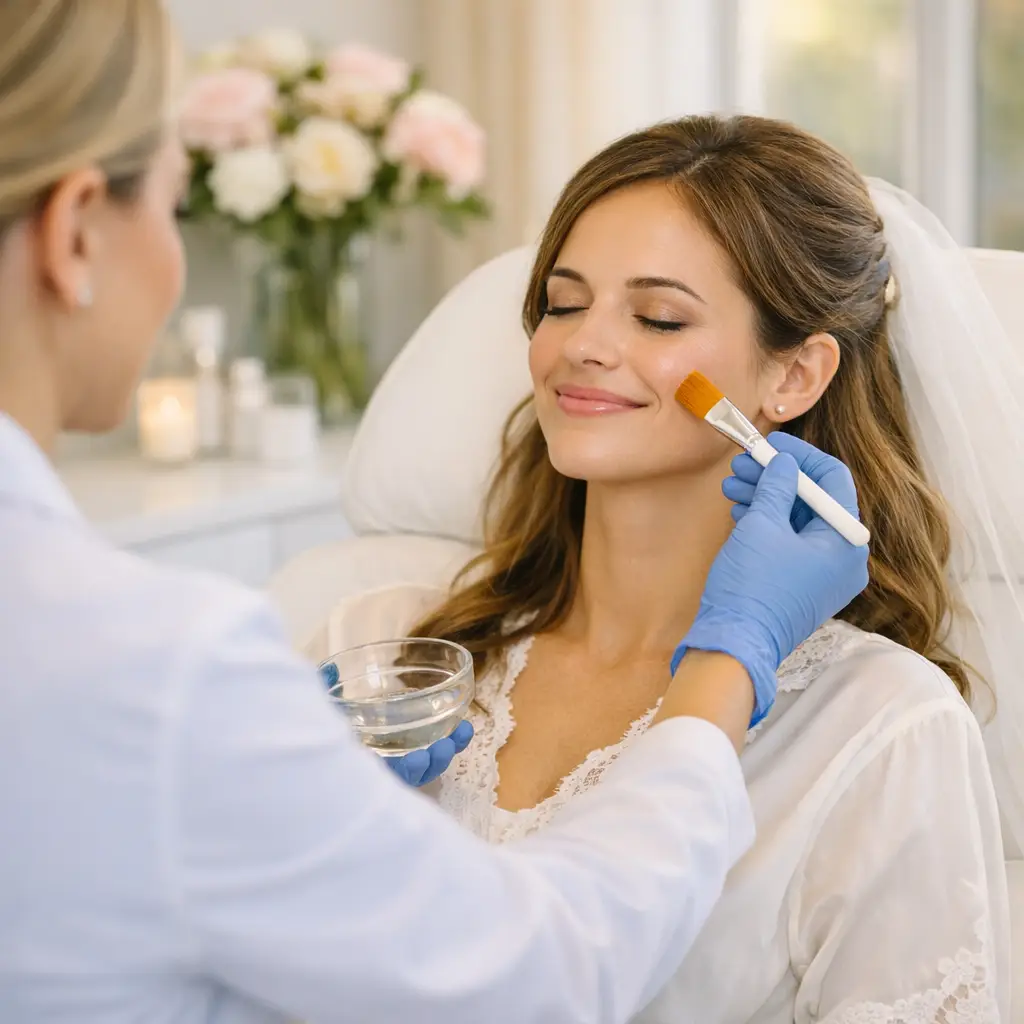
A chemical peel is a professional peel that uses carefully selected acids to exfoliate the outer layers of the skin. This exfoliating peel dissolves buildup, encourages cell turnover, and stimulates skin renewal treatment beneath the surface. The depth and strength of the peel vary depending on the formulation and your skin goals.
Options range from lighter acid peel solutions such as mandelic or glycolic to deeper medical peel treatments like TCA or Jessner formulations. Some patients benefit from salicylic acid for acne control, while others may require specialty Glytone solutions for pigmentation or advanced signs of aging.
This isn’t a one-size-fits-all facial peel. It’s a customizable chemical skin treatment tailored to address concerns like acne, uneven texture, pigmentation, and fine lines. When timed properly, peels deliver smoother skin that reflects light beautifully—exactly what spring wedding photos demand.
The February-to-Spring Timeline
Timing is everything when preparing for a major event. Starting in February gives your skin enough time to heal, renew, and reveal its healthiest glow before spring ceremonies.
Early February: Consultation & First Peel
This is the planning phase. A skin analysis determines which professional peel best fits your concerns—whether that’s a salicylic acid peel for congestion or a glycolic-based exfoliating peel for brightness.
Your first chemical skin treatment typically focuses on gentle resurfacing. This session initiates cell turnover and begins refining texture without aggressive downtime.
Mid-to-Late February: Recovery & Hydration
After your initial facial peel, mild flaking or dryness may occur. This stage is part of the renewal process.
Support your skin with hydrating products and sun protection. Avoid introducing new active ingredients. Allow your barrier to stabilize before the next session.
Early March: Second Treatment
Your second peel builds on the first. Depending on progress, your provider may increase strength slightly or introduce a different acid peel to target deeper pigmentation or texture.
This step deepens exfoliation and further stimulates collagen production. By now, patients often notice brighter tone and smoother makeup application.
Late March: Optional Third Peel
For weddings in late April or May, a third professional peel may be recommended. This final skin renewal treatment focuses on refinement rather than intensity.
The goal is to polish and brighten without scheduling too close to the event date.
Two Weeks Before the Wedding
This is maintenance mode. No new medical peel treatments should be scheduled during this window. Focus on hydration, gentle care, and sun protection.
Your skin should now appear smoother, clearer, and photo-ready.
10 Ways Chemical Peels Make You Picture-Perfect
Beyond timing, understanding the benefits helps patients appreciate why chemical peels are a wedding-season staple.
1. Brightening Dull Winter Skin
Winter often leaves behind dryness and lackluster tone. An exfoliating peel removes the outer layer of dead skin that dulls the complexion. As fresh cells rise to the surface, skin appears more luminous and even. This glow looks natural—not shimmery or artificial—perfect for bridal photography.
2. Refining Texture
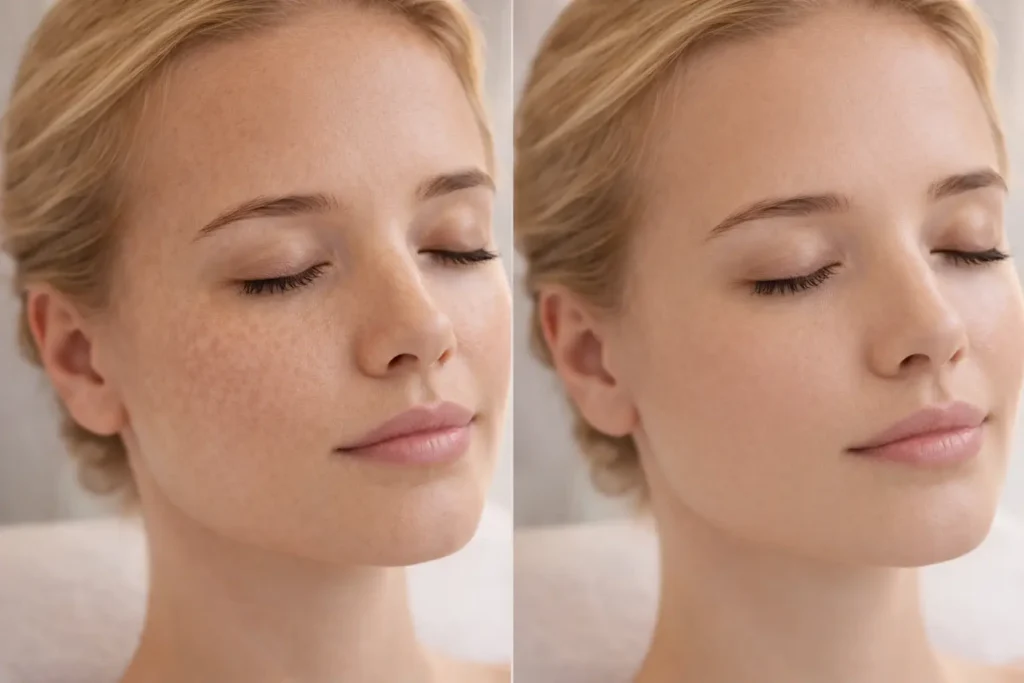
Uneven texture becomes more noticeable under professional lighting. A facial peel smooths rough patches and reduces the appearance of enlarged pores. By promoting consistent cell turnover, this chemical skin treatment creates a soft, refined surface that enhances both bare skin and makeup.
3. Reducing Breakouts
Wedding stress can trigger acne flare-ups. Salicylic acid peels penetrate oil-filled pores, dissolving congestion and reducing inflammation. This makes acid peel treatments particularly effective for patients prone to breakouts before major events. Clearer skin translates into greater confidence walking down the aisle or across the dance floor.
4. Fading Pigmentation
Sun exposure and past breakouts can leave behind uneven pigmentation. Medical peel formulations such as TCA or Jessner solutions target discoloration at a deeper level. Over a series of treatments, dark spots fade and tone becomes more uniform. Even skin tone is key for high-definition photography.
5. Softening Fine Lines
Fine lines around the mouth or eyes can become more pronounced with dehydration. By stimulating collagen production through skin renewal treatment, professional peels help soften these early signs of aging. The result is smoother skin that photographs beautifully in natural light.
6. Improving Makeup Application
Foundation clings to dry patches and fine hairs. After a chemical peel series, makeup glides on evenly. Products blend more seamlessly because the surface is smoother and free from buildup. For brides or wedding guests investing in professional makeup, this preparation makes a visible difference.
7. Stimulating Collagen Production
While peels are known for exfoliation, deeper medical peel treatments also stimulate collagen beneath the surface. Increased collagen contributes to firmness and elasticity. This subtle tightening effect enhances facial contour without altering natural expression.
8. Customizing for Your Skin Type
Not all skin responds the same way. Mandelic acid may be ideal for sensitive patients. Glycolic acid may brighten dull skin quickly. TCA may address deeper texture concerns. A personalized professional peel strategy tailors strength and formulation to your specific needs. Customization reduces the risk of irritation and maximizes results.
9. Creating Long-Term Glow
While weddings are the immediate goal, chemical peels contribute to lasting improvement. Regular exfoliation supports consistent cell turnover, helping skin maintain brightness beyond the event. Many patients choose to continue their skin renewal treatment schedule even after the celebration ends.
10. Building Confidence
Perhaps the most meaningful benefit is emotional. When patients invest in thoughtful preparation, they feel poised. They step into wedding season knowing their skin looks its best. That confidence radiates through posture, expression, and presence.
Pre- and Post-Peel Care
To maximize results, preparation matters. Avoid retinoids or strong exfoliants several days before your acid peel. After treatment, prioritize hydration and broad-spectrum SPF.
Sun protection is especially important during spring months, as freshly exfoliated skin is more sensitive to UV exposure. Consistency with at-home skincare extends the benefits of each professional peel session.
Why February Is Ideal
Starting in February allows room for multiple treatments without rushing. It provides time for gradual skin renewal treatment cycles. It allows for minor adjustments between sessions.
Most importantly, it prevents last-minute panic scheduling too close to the event date. Wedding skin is about timing, patience, and precision.
Spring weddings deserve radiant preparation. Chemical peels offer a strategic way to exfoliate, brighten, and rejuvenate your complexion with intention. From gentle acid peel sessions to deeper medical peel options, this customizable chemical skin treatment helps patients step confidently into the season.Vigour Aesthetics + Wellness in Albany and Latham, NY, provides professional peel options designed to reveal smoother, more luminous skin through personalized care. When your goal is timeless radiance for a spring celebration, a thoughtful chemical peel plan beginning in February can make all the difference.